
THE PHILIPPINE FOOD FESTIVAL
A Taste of Home and a Platform for Enterprise
On 19 April 2026, the Philippine Food Festival brought the flavours and entrepreneurial energy of the Philippines to the Centre Communautaire de Joli-Bois in Woluwe-Saint-Pierre. First organised in 2018 as the Manyaman Food Festival, the annual gathering has grown into a showcase for Filipino cuisine, products and culture in Belgium.
By early afternoon, a long queue had already formed outside. Some visitors were waiting for ice cream, while others moved between stalls in search of familiar favourites. The changing Brussels weather shifted between clouds and sunshine, but the rain stayed away and the crowd continued to grow.
A Filipino Food Court in Brussels
Inside, the atmosphere recalled a busy food court in the Philippines: lively conversations, long lines, trays of ulam and the almost unavoidable serving of rice. Pork barbecue, pancit, palabok, chicharon, lumpia, sisig, turon and halo-halo were among the dishes attracting hungry visitors.
The crowd was not exclusively Filipino. Belgians and people of other nationalities joined Filipino families, friends and couples, turning the festival into a place of cultural exchange. At the centre of the venue, visitors could also discover arnis, the national martial art of the Philippines.
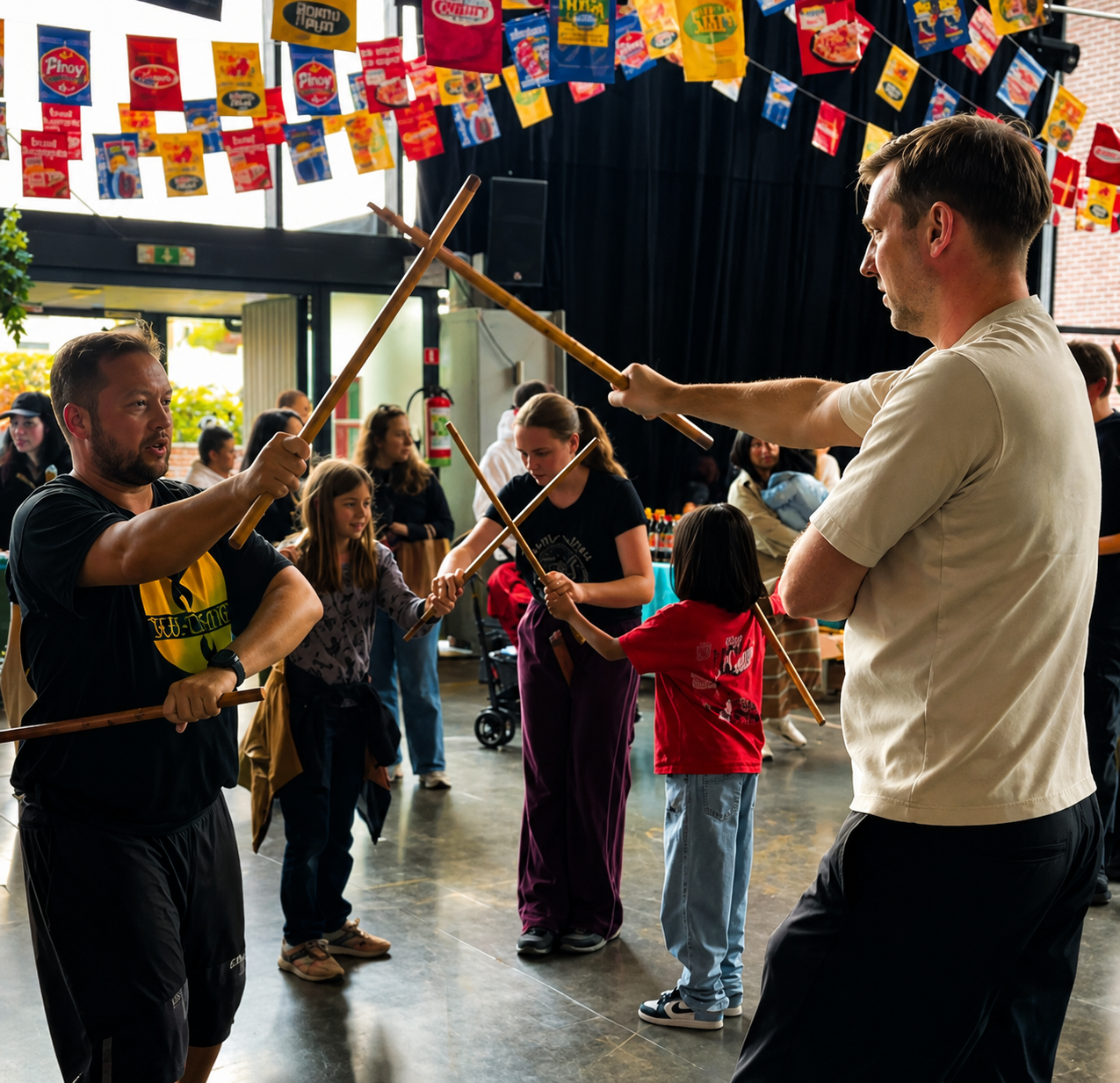
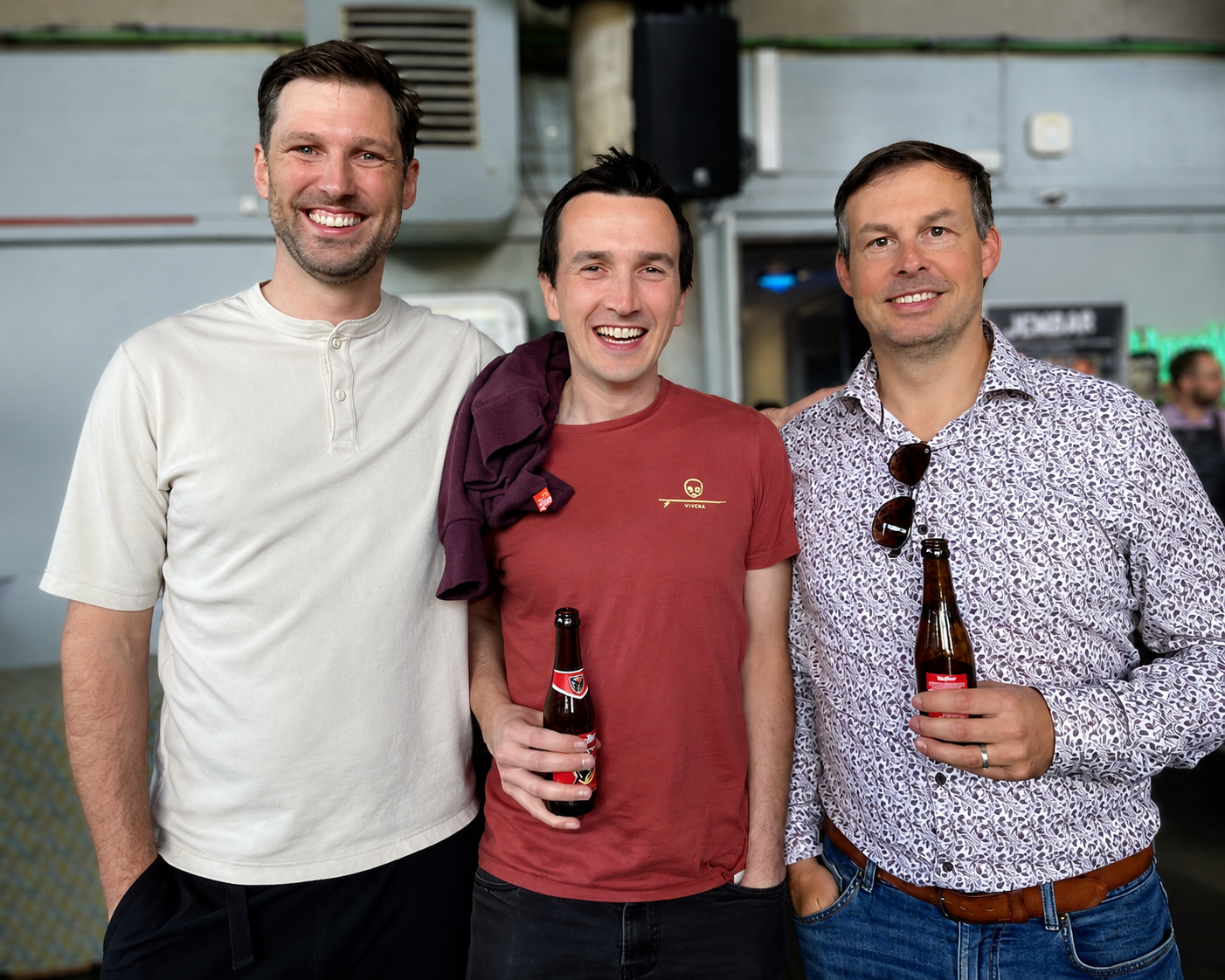
Photo courtesy John Lester Roque
Businesses With Personal Stories
For B-Engine, the festival was more than a food event. Founder Jana and the B-Engine team visited exhibitors wearing the platform’s shirts and speaking with the people behind the stalls. The event became a map of small businesses built from family memories, migration experiences and practical creativity.
Among the exhibitors was Mama Merienda, a Filipino food business based in the Netherlands. Owner Olinor explained that the name honours her mother and the snacks she prepared during her childhood so that she would never go hungry.
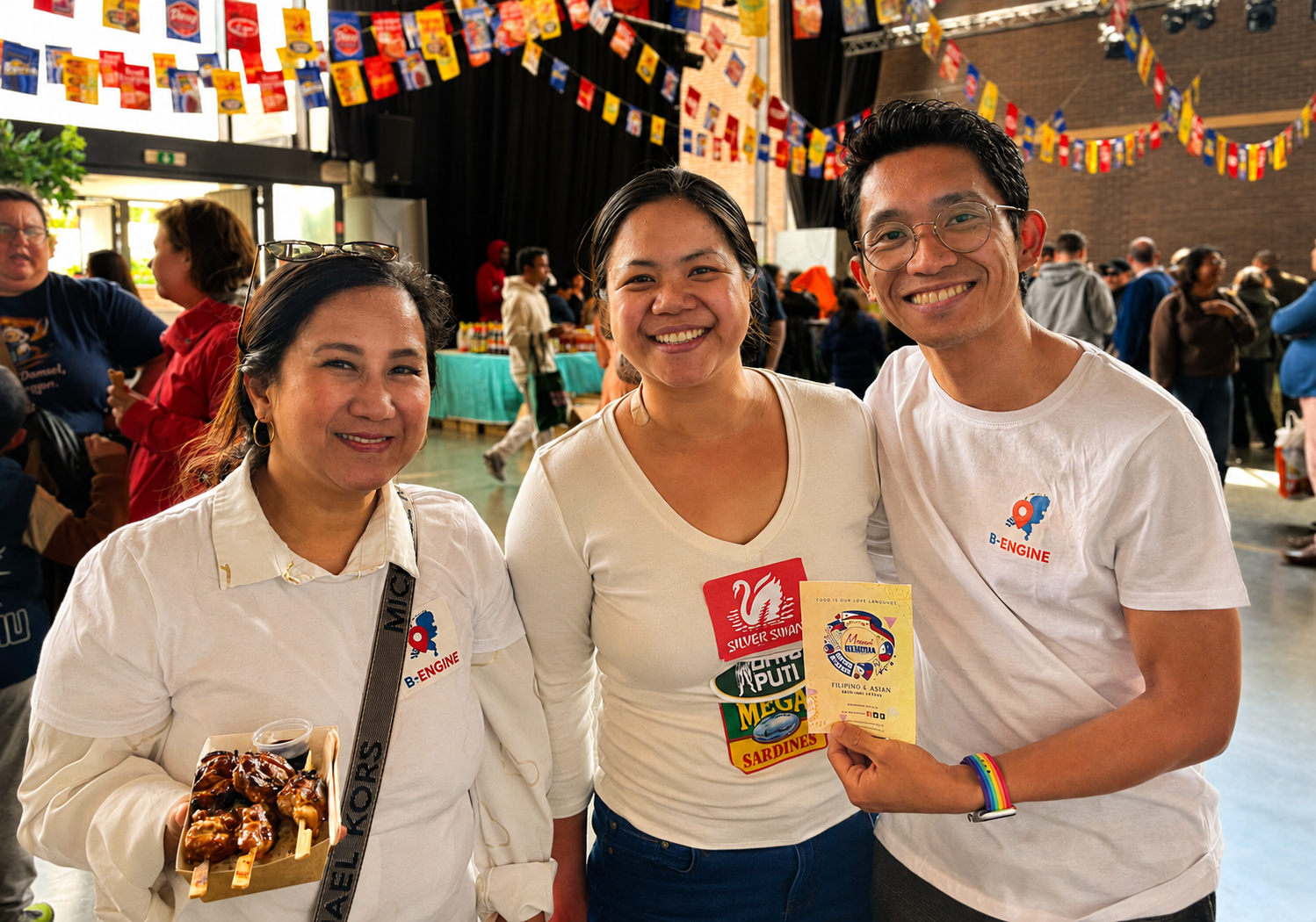
Photo courtesy John Lester Roque
Another group of caterers from Mechelen served chicharon and other homemade dishes. One woman shared that she had not been an experienced cook in the Philippines. She learned after moving to Belgium, first preparing food for people close to her. Their encouragement eventually turned cooking into a sideline business.
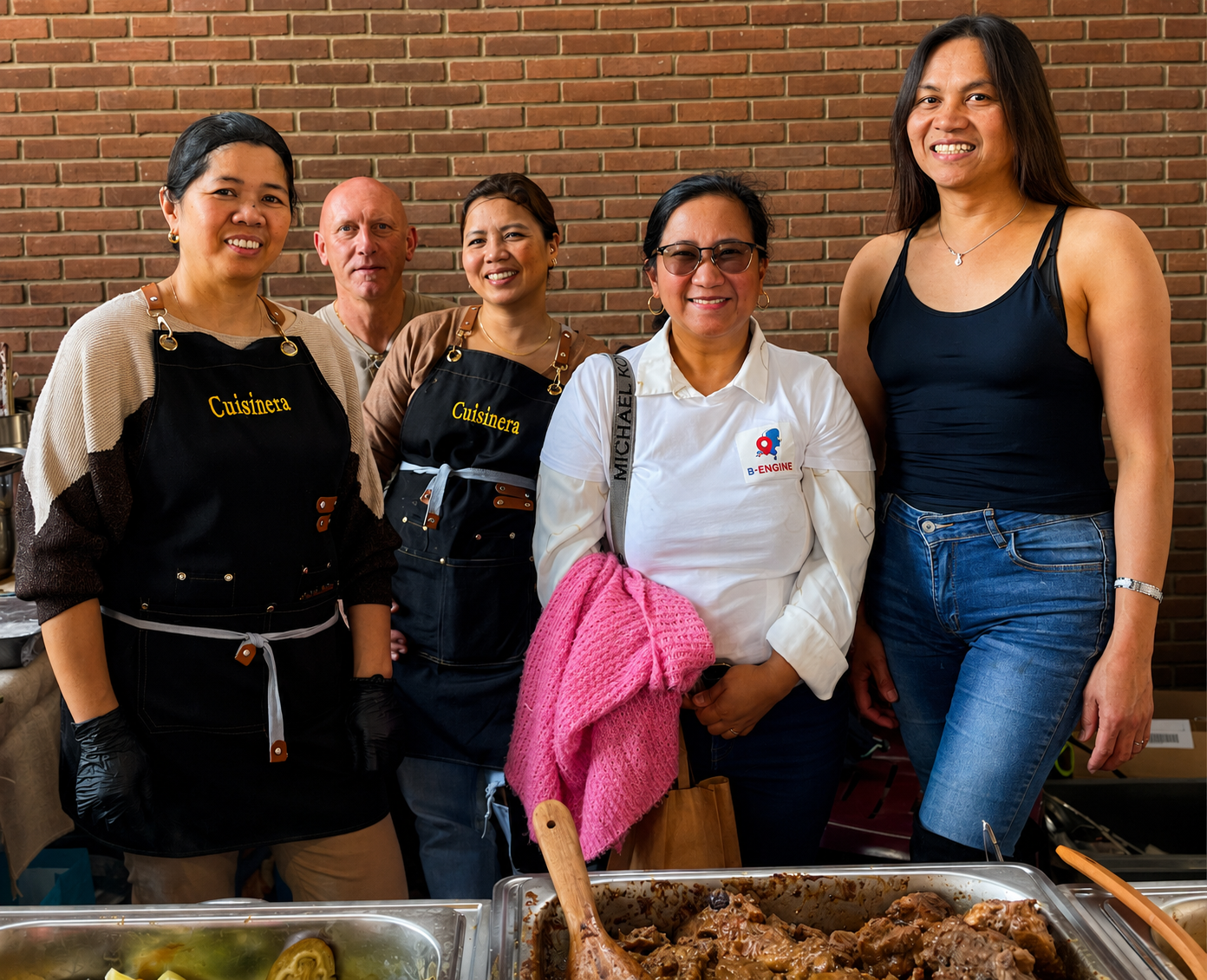
Photo courtesy John Lester Roque
One of her creations combined blueberries with flavours inspired by kare-kare, producing something unexpected yet warmly familiar.
Visitors could also encounter internationally marketed Filipino products such as Don Papa Rum, which is produced on the island of Negros Occidental.
Building Without a Large Fund
Festival organiser Louise Baterna of the Philippine Art and Culture Exchange spoke openly about the work behind the celebration. She said the non-profit organisation operates without a large fund, making resourcefulness essential. Organisers must arrange contracts, insurance, workers and logistics before the first plate is served. According to Baterna, the 2026 edition brought together 24 participants.
“We started really, really small,” she said.
When asked about Filipino entrepreneurship, Baterna challenged the idea that Filipinos are trained only to become employees. She pointed to the country’s sari-sari stores and long tradition of small-scale trade.
The festival itself offered evidence: food sellers, caterers, importers and creative entrepreneurs testing their products before a diverse European audience.
Its influence may travel farther. One Filipina visitor had come from Lithuania and was interested in developing a similar concept there.
More Than a Festival
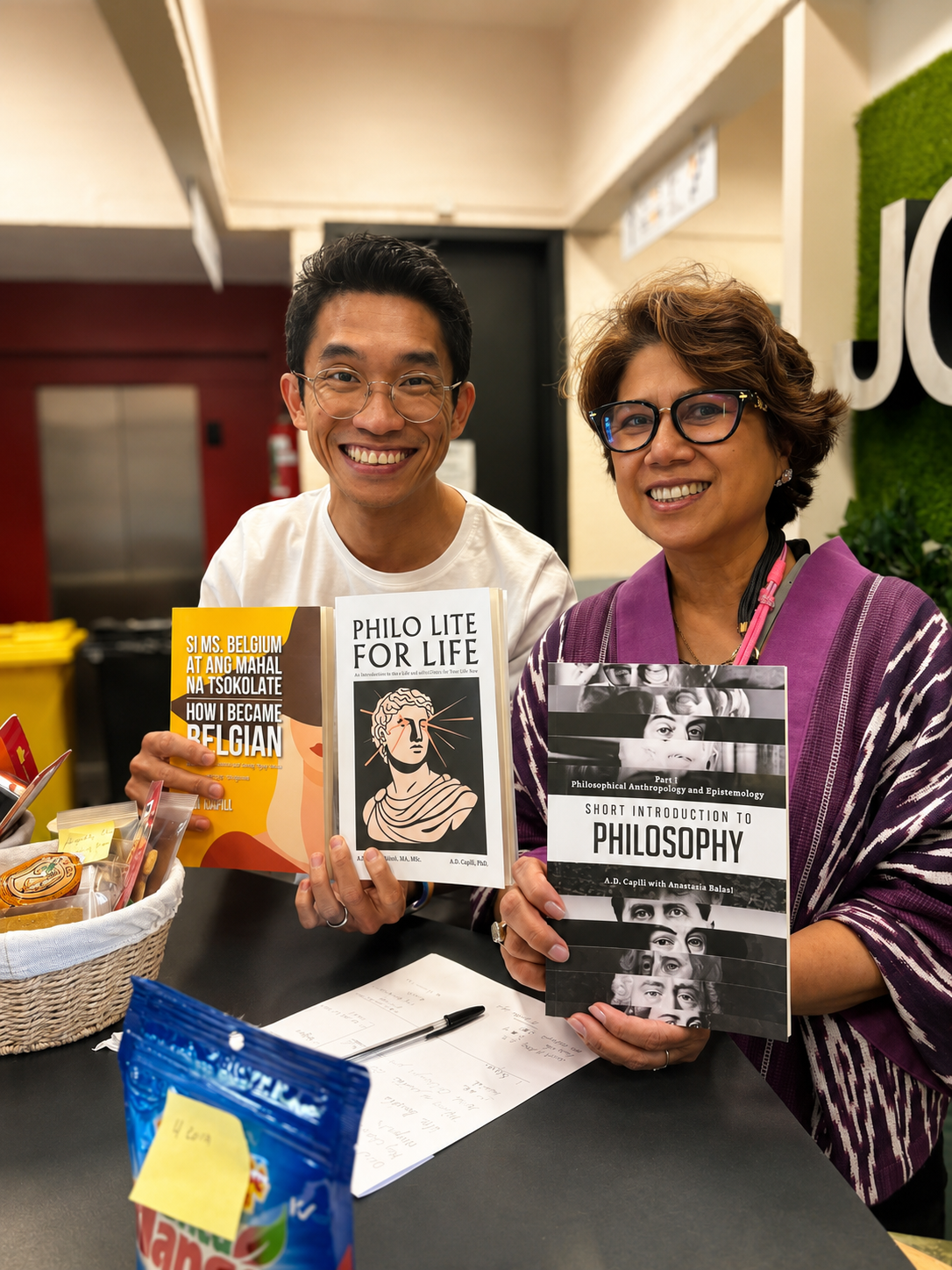
Near the entrance, Baterna also presented Philippine books, accessories and materials connected with Roots & Weaves: Philippine Heritage Textiles, a separate fashion event highlighting fabrics and craftsmanship from the Philippines.
The Philippine Food Festival shows how culture can travel through a plate, but also how a plate can become a business. Behind every queue was a seller taking a risk, every recipe carried a memory, and every conversation opened another small door for Filipino enterprise in Belgium.